
What is peat and where does it come from?
Peat is formed over long timescales from partially decayed plant material under waterlogged conditions in wetland habitats called peatlands. Because of this waterlogging, the plant material doesn’t decompose very much, so peat is incredibly rich in carbon, but usually acidic and nutrient poor. This limits the types of plants that can grow on peatlands.

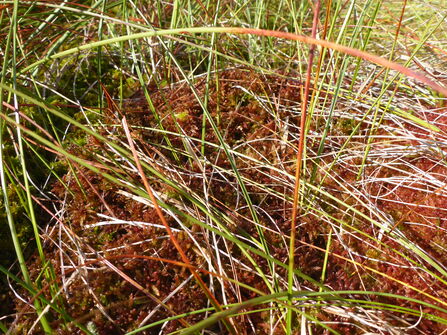
Three important peat-forming Sphagnum mosses - from left to right: S. papillosum. Credit David Holyoak; S. capillifolium. Credit L Campbell/SNH; S. medium. Credit Charlie Campbell
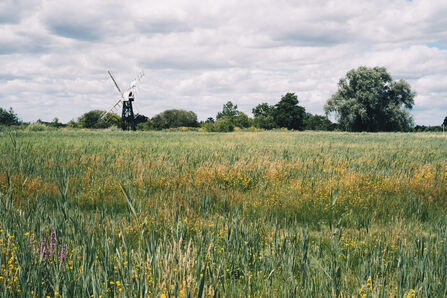
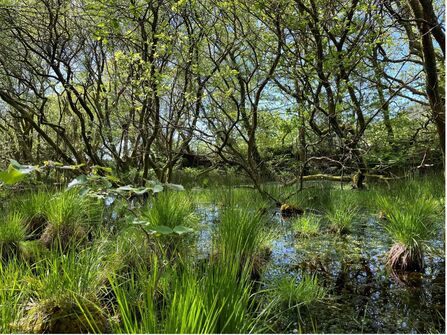
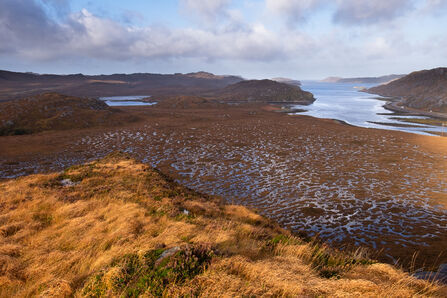
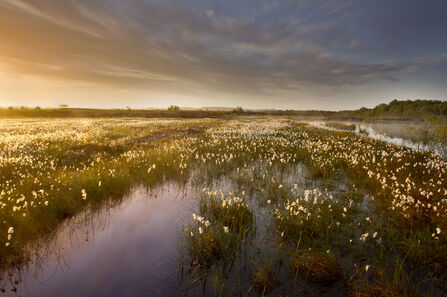
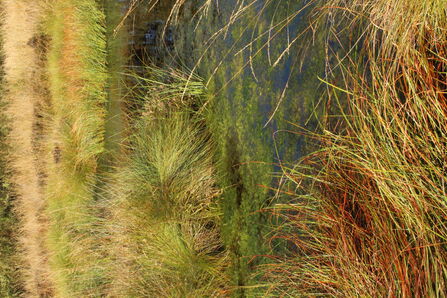
Three main peatland habitat types are found in the UK: fen, blanket bog and raised bog. However, there are many more peatland habitats that can look quite different from each other, from mostly treeless blanket bog in the uplands to fen carrs covered with dense vegetation in the lowlands.
Peatlands cover around 10% of the UK land area and can be discovered in the most remote corners of the country, but also near major centres of human population. As iconic landscapes, peatlands offer breathing spaces for millions of people, support livelihoods and provide a sense of place for many communities. Peat harbours a rich cultural and historic archive with preserved artefacts and a wealth of information about our changing environment and climate. Peatlands are important source catchments for drinking water and also have a role in the regulation of water flows.
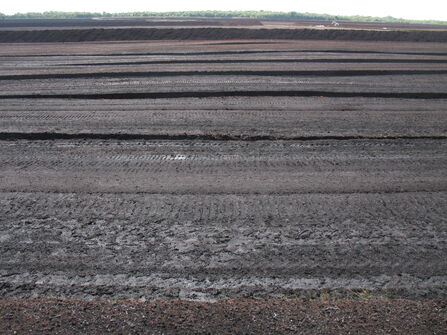
Unfortunately, most UK peatlands have been historically managed in a way that has left them in a damaged state, with an estimated 80% in some way degraded. At least 94% of UK raised bogs have been lost entirely due to changing land use, including peat extraction for horticulture. This involves draining the peatland and stripping away the living layer which forms peat.

10000m3 peat blister storage pile. Credit Clifton Bain