Around the World in 177 Peatlands: The Virtual Peatlands Pavilion 2025 Global Tour

Share

Around the World in 177 Peatlands: The Virtual Peatlands Pavilion 2025 Global Tour

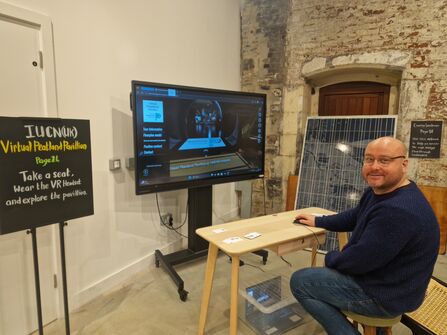
A visitor at Somerset Wildlife Trust's Peat-Fest South-West event at the Avalon Marshes centre explores the Virtual Peatlands Pavilion. Credit: Jim Wileman / Art and Energy for Peat-Fest South-West.

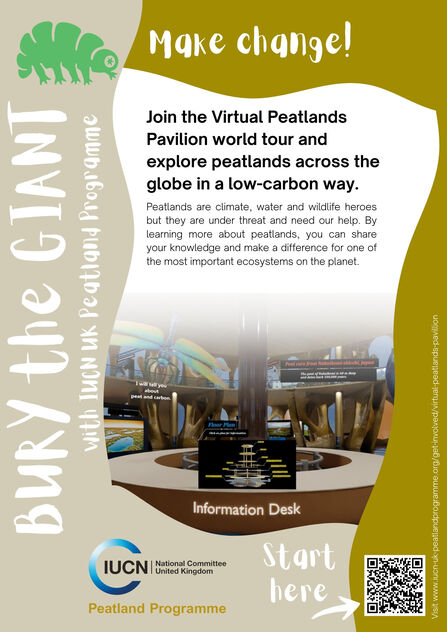
The Virtual Peatlands Pavilion 2025 world tour engaged thousands globally, bringing the beauty, science, and importance of peatlands to life in an immersive digital space.

The Virtual Peatlands Pavilion is a vast, immersive digital world showcasing the extraordinary richness of peatlands across the globe. Found in 177 countries, peatlands range from tropical swamp forests to sub-Antarctic mires—ecosystems as diverse as they are vital. By bringing these landscapes into a free, accessible virtual space, the Pavilion offers a lower-carbon, cost-free alternative to experiencing peatlands first-hand.

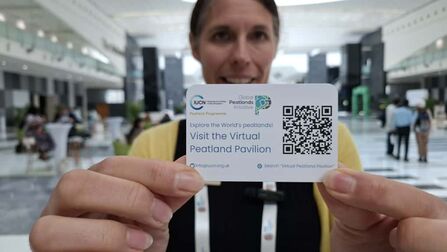
In 2025, the Pavilion embarked on its world tour, reaching thousands of new people through a wide range of major international events. From climate and conservation summits to family-friendly festivals, the Pavilion introduced global audiences to the latest in peatland science, policy, art and practice, and highlighted why these ecosystems matter for the planet’s future.

Although peatlands cover only 3% of the Earth’s land surface, they store over twice as much carbon as all the world’s forests combined. When damaged, they flip from carbon stores to carbon sources, releasing emissions and losing biodiversity, water regulation capacity, and irreplaceable cultural history. The Virtual Peatlands Pavilion spotlights the organisations working to restore and protect these ecosystems—and explains why their conservation is fundamental to climate stability and community resilience.

The 2025 tour saw the Pavilion showcased at internationally significant events including Ramsar COP15, the IUCN World Conservation Congress, and UNFCCC COP30. Modelled on the branching leaves of peat-forming Sphagnum moss, the Pavilion sat within a digital peat swamp forest in recognition of its virtual journey to countries such as the Republic of Congo, Zimbabwe and Brazil. It also featured at Peat-Fest South-West in England, engaging families and younger audiences through art, storytelling and hands-on exploration.

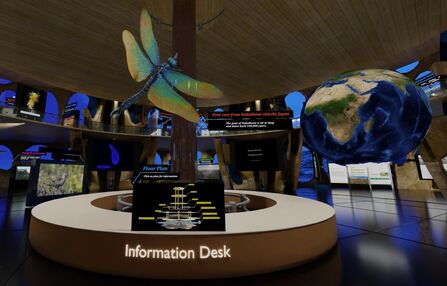
Throughout the year, the Pavilion continued to grow. New contributions from partners in Peru, Brazil, Colombia, Estonia, Latvia, Austria and the UK added reports, films, artwork, “bogcasts”, animations and practice-based insights. Its interactive globe is becoming a living archive of peatland “hotspots”, enabling users to explore places from Tierra del Fuego to Australia—and understand what’s being done to conserve them.

By sharing the beauty, fragility and global importance of these threatened ecosystems, the Pavilion aims to inspire action for peatlands and support policies that safeguard their future.

The Pavilion will remain online as a lasting resource, continually updated with new stories, science and creative works. Our ambition is to feature a peatland story—and an interactive hotspot—from all 177 peatland countries. If you have a resource to contribute, you can submit it here:
https://forms.gle/o3bbvmdWQmU7Lbxk9.

A joint initiative between the United Nations Environment Programme-led Global Peatlands Initiative and the IUCN UK Peatland Programme, the Virtual Peatlands Pavilion is created and curated by Richard Lindsay, a global peatland expert from the University of East London and Senior Research Advisor to the IUCN UK Peatland Programme.

The Global Peatlands Initiative is an effort by leading experts and institutions formed at the UNFCCC COP in Marrakech, Morocco in 2016 to save peatlands as the world’s largest terrestrial organic carbon stock and to prevent it being emitted into the atmosphere.

The IUCN UK Peatland Programme exists to promote peatland restoration in the UK and advocates the multiple benefits of peatlands through partnerships, strong science, sound policy and effective practice.